Through the eyes of a young girl uprooted from Yugoslavia to Denmark, we watch a family navigate a new world and rebuild their lives while holding on to what they left behind. Home speaks to belonging, sacrifice and the generations shaped by displacement. Maja is six years old when most of her family moves from the Yugoslav SFR to Denmark, leaving her two brothers behind for the time being, waiting to follow the rest to the promised land. Denmark proves to be far from the welcoming haven they imagined. There is a new language to learn, new customs to navigate, new skies to understand. Did they really want to stay? Maja grows up in Denmark, builds a life and a career there as an artist, yet she cannot forget all that her parents left behind. Actress-turned-director Marijana Janković was the same age as Maja when her own family left Ivangrad (today Berane) for the European north, and that is only the most superficial similarity between the two. As two of her leading men, fellow Ivangradian Dejan Čukić and Osijek’s one and only Zlatko Burić, will surely know, the details of Maja’s or Marijana’s story may be specific, but the larger flow of things has remained the same across generations and countries of origin.
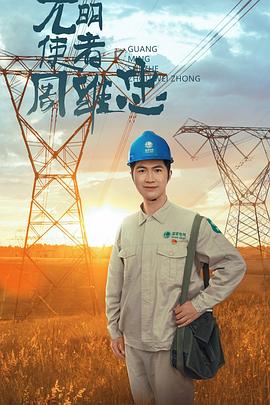
周维忠是一名农村电工,30多年来,他是五保老人的“电儿子”,是残疾青年的“电爸爸”,为孤困家庭送上生命中的光亮。他有全国劳动模范、“中国好人”等诸多荣誉,是当地百姓心中的“光”,传递着人间温暖。
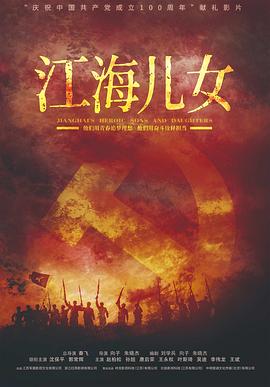
《江海儿女》讲述江海师范学校进步学生刘石钧(原型为南通籍著名革命家刘瑞龙)、女子师范冯菊芬等一批进步学生,与当地盘踞多年的反派势力斗智斗勇,从热血青年一步一步转变成骁勇善战的革命战士的故事。
一位武术教练面临着两名学生失踪的困境,这使他直接与一个国际儿童贩卖团伙对峙。